What Is a Reward Point, Really?
Reward points turn everyday spending into flights, hotel stays, and statement credits. Understanding how they work — and why companies offer them — is the first step toward making them work for you.

So what is a reward point?
A reward point is a unit of value you earn in a loyalty program when you spend money with a participating credit card, airline, or hotel brand. In simple terms, it is a way to get part of your spending back in points instead of cash.
What is a loyalty program?
A loyalty program is a system companies use to reward customers for staying within their ecosystem. A few well-known examples:
- Chase Ultimate Rewards — a credit card rewards program
- American Airlines AAdvantage — an airline loyalty program
- Marriott Bonvoy — a hotel loyalty program
Different names, same core idea: spend money, earn rewards, redeem them later.
Where did reward points come from?
The modern points era began in 1981, when American Airlines launched AAdvantage. It started as a simple way to reward repeat customers, but airlines quickly discovered that points could do far more than build loyalty. Travelers were willing to change their behavior for rewards — choosing one airline over another, staying loyal longer, and tracking miles carefully.
That concept spread far beyond the airline industry. Today, points are a central tool banks, airlines, and hotels use to attract and retain customers.
Why do banks, airlines, and hotels offer points?
Points are not giveaways — they exist because they help companies make money.
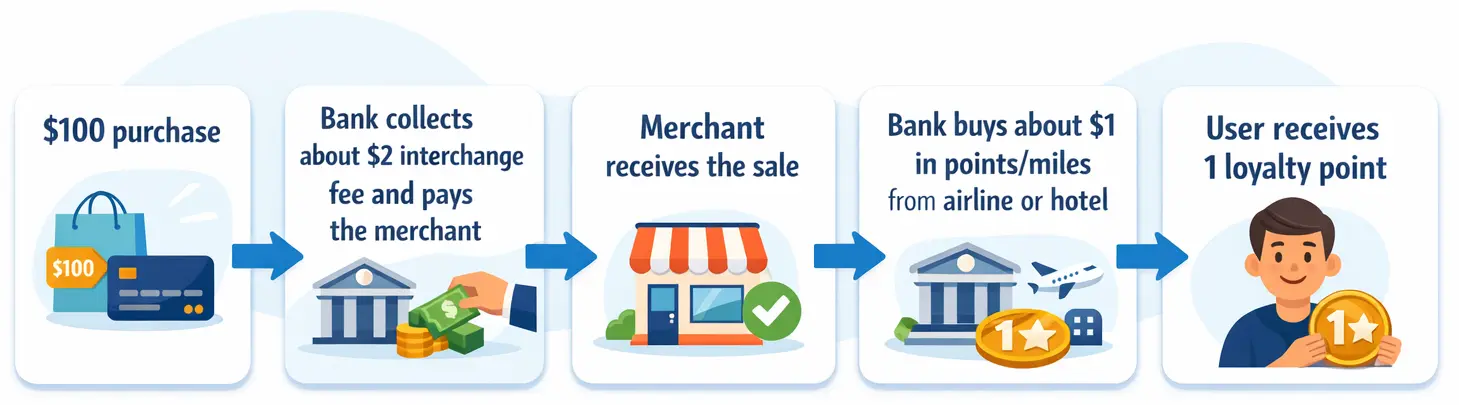
When you use a credit card, the merchant pays a processing charge known as the interchange fee. Banks also earn revenue from interest and annual fees. These revenue streams create room for generous rewards.
Airlines and hotels benefit too. Banks often purchase points or miles in bulk from airline and hotel loyalty programs, then distribute them to cardholders. So every time you earn points from everyday spending, there is a business transaction happening behind the scenes.
In fact, loyalty programs have become so profitable that some airlines earn more from their credit card partnerships than from flying passengers.
Why ignoring rewards means leaving money on the table
When you pay with cash, debit, or the wrong credit card, the purchase still happens — you just miss the opportunity to earn anything in return.
Here is the mindset shift every beginner should make: rewards should not make you spend more. They should help you earn more on spending you already do.
The difference can be substantial. Consider two people who each spend $2,000 a month, or $24,000 a year:
- Person A uses a basic 1x rewards card and earns 24,000 points.
- Person B opens a card with a 60,000-point welcome bonus, meets the spending requirement with normal expenses, and earns 24,000 points on regular spending.
At the end of the year:
- Person A has 24,000 points
- Person B has 84,000 points
Same spending. Dramatically different outcome:
| Strategy | Annual Spend | Points Earned on Spending | Points Earned on Welcome Bonus | Total Points Earned After One Year |
|---|---|---|---|---|
| Basic | $24,000 | 24,000 | — | 24,000 |
| Optimized | $24,000 | 24,000 | 60,000 | 84,000 |
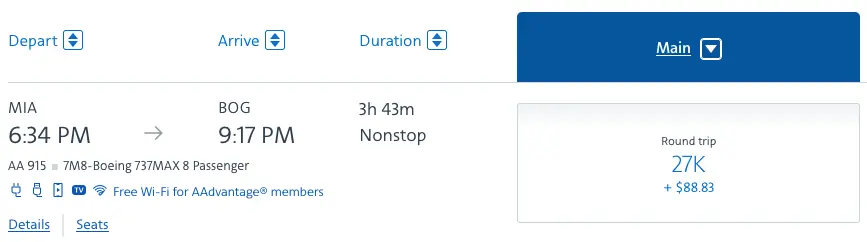
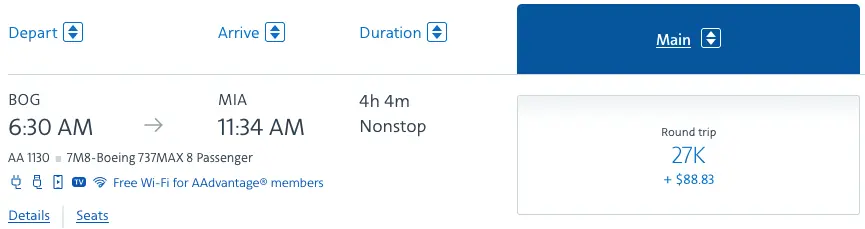
What does the difference between 24,000 and 84,000 points actually look like in practice? A round trip between Miami (MIA) and Bogotá (BOG) costs 27,500 miles in economy. With 84,000 miles, you could take that trip three times yourself, or bring two companions along on a single journey. With 24,000 points, the trip is simply out of reach.
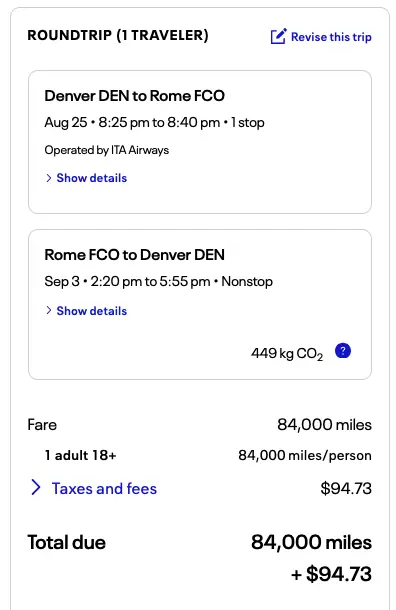
Want to travel to Europe? Those same 84,000 miles cover a one-way ticket from Denver (DEN) to Rome (FCO), with just $94.73 in taxes and fees — a transatlantic flight that would typically cost several hundred dollars:
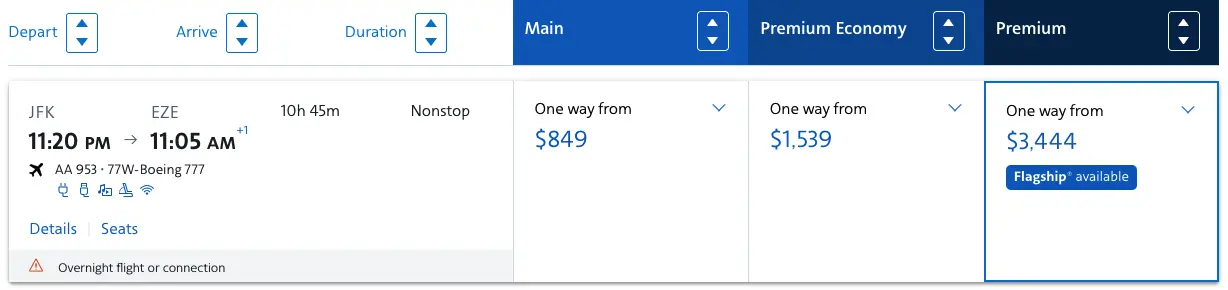
Do you want to explore new destinations? Consider a one-way flight from New York (JFK) to Buenos Aires (EZE). Economy costs 27,500 miles plus $5.60 in taxes and fees — already more than what Person A accumulated in a full year. Person B's 84,000 points, on the other hand, open up a completely different set of options:
- 3 economy tickets (82,500 miles total, plus $5.60 per ticket in taxes and fees)
- 2 premium economy tickets for a more comfortable journey (77,000 miles total, plus $5.60 per ticket)
- 1 business class ticket (82,500 miles, plus $5.60 in taxes and fees)
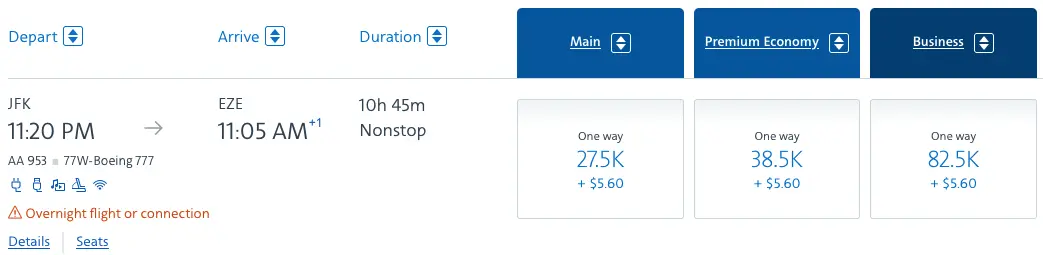
To put that in perspective, you can compare those point values against the current cash prices for the same flight: $849 in economy, $1,539 in premium economy, and $3,444 for business class.
This is why welcome bonuses matter so much for beginners, they are the fastest path to meaningful rewards. Bonus categories help too, especially when a card earns extra points in the areas where you already spend the most, such as groceries, dining, gas, or travel.
Bottom line
A reward point is not magic, it is simply a mechanism for recovering value from spending you were going to do anyway. Banks, airlines, and hotels offer points because loyalty programs are profitable for them, and that is precisely why they should matter to you. As the system generates revenue from every swipe, positioning yourself to recapture that value is simply a good strategy.